These books I share here have 2 key characteristics in common:
Older books (> 10 years old). The longer an idea has survived, the longer it's likely to continue surviving (see Lindy Effect). Ideas that have stood the test of time are the most valuable.
Shorter books (< 250 pages). If you can't explain it concisely, you don't understand it well enough. Most modern books are artificially lengthened to satisfy publishers, padding one good idea across 400+ pages. Great insights don't require verbosity.

Key Takeaways:
• Control what you can control, accept what you cannot
• Focus on your judgments, not external events
• Practice negative visualization to appreciate what you have
• Our opinions, not things themselves, disturb us

Key Takeaways:
• Life is long if you know how to use it
• We waste time on trivial matters
• The present is the only time we truly possess
• Most people exist, but few truly live

Key Takeaways:
• Those who have a 'why' can bear any 'how'
• Meaning can be found even in suffering
• We cannot avoid suffering, but we choose how to cope
• Between stimulus and response lies our freedom to choose

Key Takeaways:
• Talk about their life, not your idea
• Ask about specifics in the past, not generics or opinions about the future
• Talk less, listen more
• The measure of success is not what they say, but what they do

by Donald C. Gause & Gerald M. Weinberg
Published in 1982 (43 years ago)
176 pages
Key Takeaways:
• Don't solve problems before understanding them
• Who really has the problem?
• The problem is rarely what it seems at first
• The best solution might be to not solve the problem at all

Key Takeaways:
• History repeats itself because human nature doesn't change
• Inequality is natural and inevitable
• War is constant; peace is the exception
• Civilizations rise, peak, and decline in predictable patterns

Key Takeaways:
• Systems thinking reveals leverage points for change
• Feedback loops drive system behavior
• Today's problems come from yesterday's solutions
• The purpose of a system is what it does, not what it says
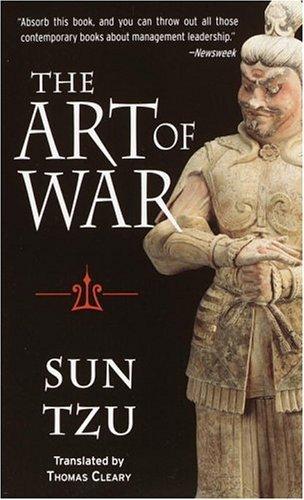
Key Takeaways:
• All warfare is based on deception
• Know your enemy and know yourself
• Supreme excellence is winning without fighting
• In the midst of chaos, there is also opportunity
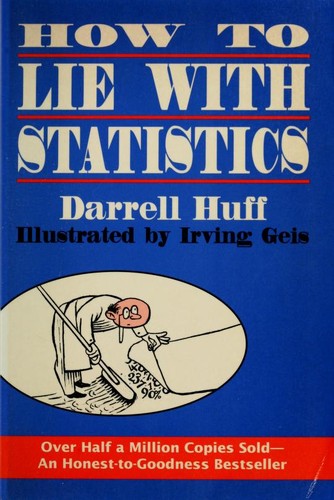
Key Takeaways:
• Statistics can be manipulated to tell any story
• Always ask: Who says so? How do they know?
• Correlation does not imply causation
• The sample matters as much as the conclusion
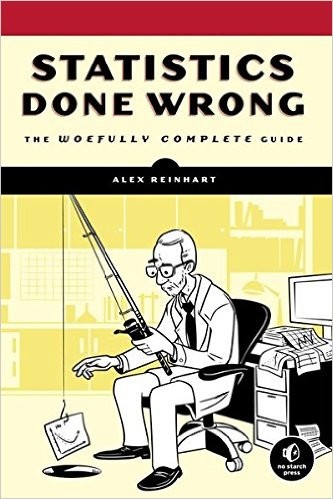
Key Takeaways:
• P-hacking and publication bias corrupt research
• Small sample sizes lead to false discoveries
• Statistical significance ≠ practical significance
• Most published research findings are probably false
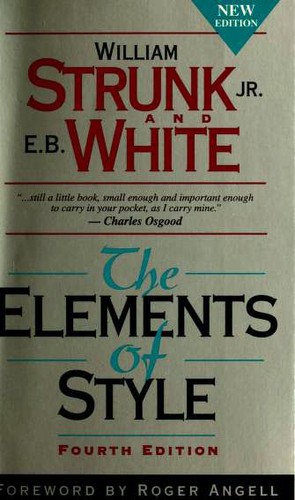
by William Strunk Jr. & E.B. White
Published in 1918 (107 years ago)
105 pages
Key Takeaways:
• Omit needless words
• Use the active voice
• Put statements in positive form
• Vigorous writing is concise
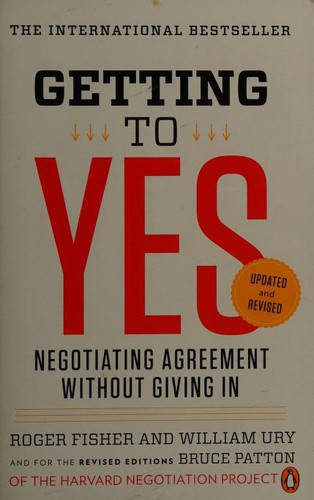
Key Takeaways:
• Separate the people from the problem
• Focus on interests, not positions
• Generate options for mutual gain
• Use objective criteria for decisions

Key Takeaways:
• Bullshit is more dangerous than lying
• Bullshitters don't care about truth or falsehood
• Liars know the truth and hide it; bullshitters ignore it entirely
• Sincerity itself can be bullshit

Key Takeaways:
• The Tao that can be told is not the eternal Tao
• Act without doing; work without effort
• The softest things overcome the hardest
• Knowing others is intelligence; knowing yourself is wisdom

Key Takeaways:
• In a complex democracy, propaganda is necessary to organize public opinion
• Those who manipulate public opinion constitute an invisible government
• Modern propaganda creates events rather than merely reporting them
• The engineering of consent is essential in democratic societies

Key Takeaways:
• Early to bed and early to rise makes a man healthy, wealthy, and wise
• A penny saved is a penny earned
• Time is money
• Well done is better than well said
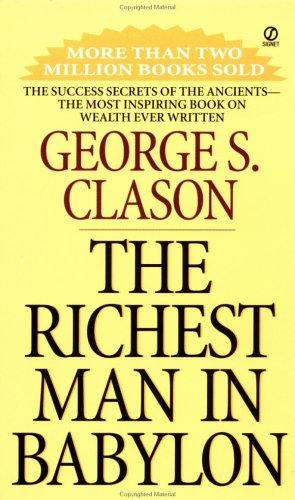
Key Takeaways:
• Pay yourself first—save at least 10% of your earnings
• Make your money work for you through wise investments
• Seek advice from those who are successful with money
• Live below your means and avoid debt
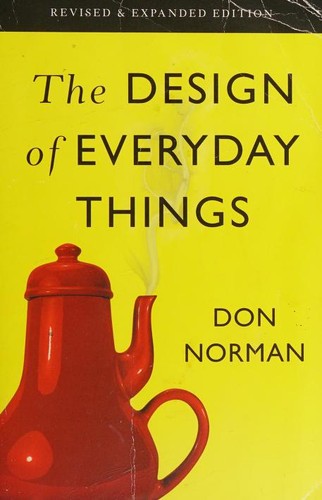
Key Takeaways:
• Good design is invisible; bad design frustrates
• Affordances show what actions are possible
• Provide feedback for every action
• When people make errors, it's usually the design's fault, not theirs
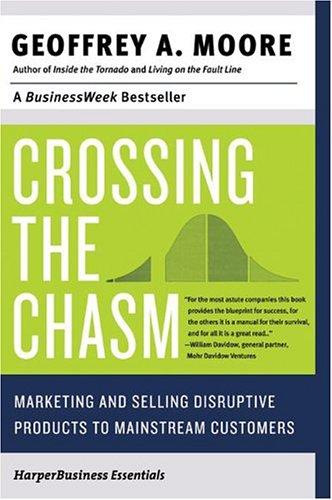
Key Takeaways:
• There's a gap between early adopters and the mainstream market
• Focus on a narrow beachhead market first
• Innovators and early adopters want technology; the majority wants solutions
• The chasm is where most startups fail

Key Takeaways:
• If something requires a large investment of time—or looks like it will—it's less likely to be used
• Get rid of half the words on each page, then get rid of half of what's left
• Users don't read pages, they scan them
• Design for scanning, not reading

Key Takeaways:
• Strategic inflection points can destroy companies that don't adapt
• Success breeds complacency; paranoia breeds vigilance
• When 10x forces of change hit, you must respond with 10x effort
• Let chaos reign, then rein in chaos
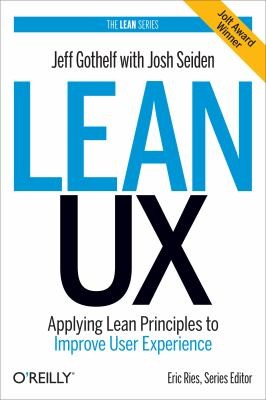
Key Takeaways:
• Think outcomes, not outputs
• Design is a team sport, not a deliverable
• Get out of the building and test assumptions early
• Minimum viable product beats perfect product
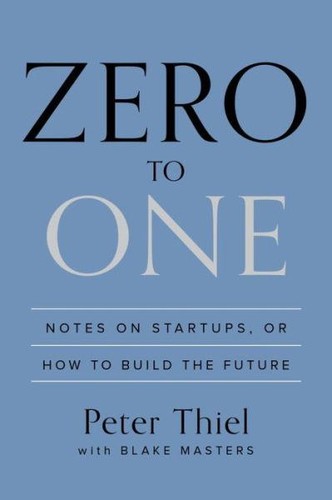
Key Takeaways:
• Create something new, don't copy what exists
• Competition is for losers; aim for monopoly
• Start small and dominate a niche
• Technology is vertical progress; globalization is horizontal
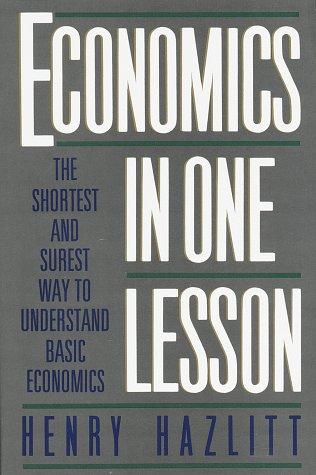
Key Takeaways:
• Consider both immediate and long-term effects of any policy
• Look at effects on everyone, not just one group
• The broken window fallacy: destruction doesn't create wealth
• What is seen vs. what is not seen in economic decisions
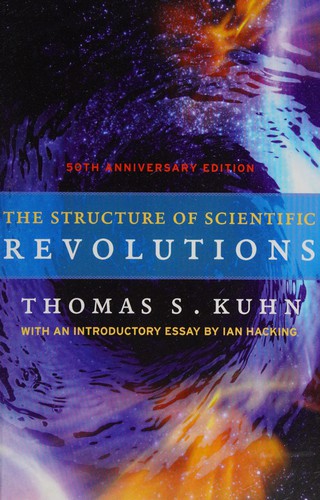
by Thomas S. Kuhn
Published in 1962 (63 years ago)
212 pages
Key Takeaways:
• Science advances through paradigm shifts, not steady progress
• Normal science operates within paradigms; revolutions change them
• Anomalies accumulate until a crisis forces a paradigm shift
• Scientists from different paradigms see different worlds

Key Takeaways:
• Simple checklists dramatically reduce errors
• Even experts fail under complexity without systems
• Good checklists are precise, efficient, and easy to use
• Discipline over heroism in complex environments
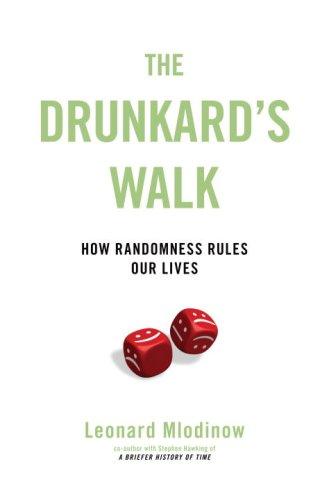
Key Takeaways:
• Randomness plays a huge role in success and failure
• We see patterns where only randomness exists
• Small samples are unreliable; regression to the mean is inevitable
• Success is part skill, part luck—usually more luck than we admit
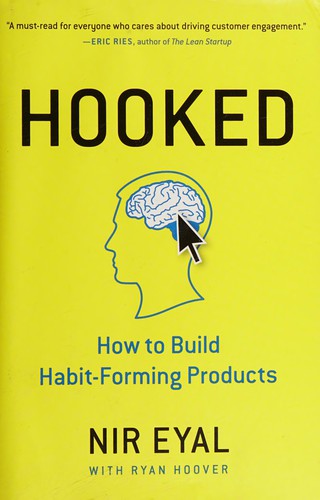
by Nir Eyal
Published in 2014 (11 years ago)
256 pages
Key Takeaways:
• The Hook Model: Trigger → Action → Variable Reward → Investment
• Internal triggers create strong habits; external triggers just start them
• Variable rewards keep users coming back
• Users who invest in a product are more likely to return
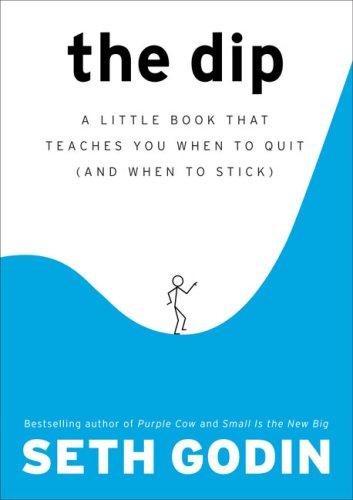
Key Takeaways:
• Winners quit fast, quit often, and quit without guilt—until they find the right Dip
• The Dip is the hard part between starting and mastery
• Quit the Cul-de-Sacs and Dead Ends, lean into the Dips
• Strategic quitting is better than mediocre persistence

Key Takeaways:
• Being safe is risky; being remarkable is the only path
• Traditional marketing is dead; remarkable products market themselves
• Target the innovators and early adopters who care
• Don't be boring; boring is invisible

Key Takeaways:
• The only purpose for which power can be rightfully exercised over any member of a civilized community, against his will, is to prevent harm to others
• Individual liberty is the foundation of progress and human flourishing
• Society must protect minority opinions; silencing any opinion is an evil
• The tyranny of the majority can be worse than political tyranny
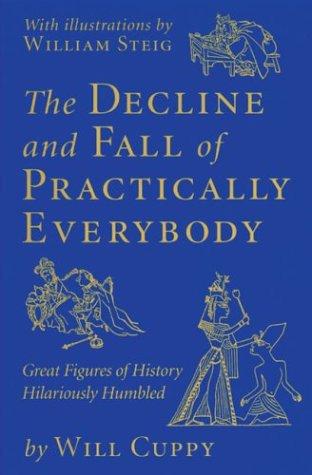
by Will Cuppy
Published in 1950 (75 years ago)
192 pages
Key Takeaways:
• History's great figures were often ridiculous and flawed
• Don't take historical reverence too seriously
• Human nature hasn't changed; we're still making the same mistakes
• Humor reveals truth that serious history often misses

by F.A. Hayek, Milton Friedman
Published in 1944 (81 years ago)
248 pages
Key Takeaways:
• Central economic planning leads inevitably to totalitarianism
• Freedom is indivisible; economic freedom enables political freedom
• Even well-intentioned socialism erodes individual liberty
• The worst get on top: systems of power attract those who seek power
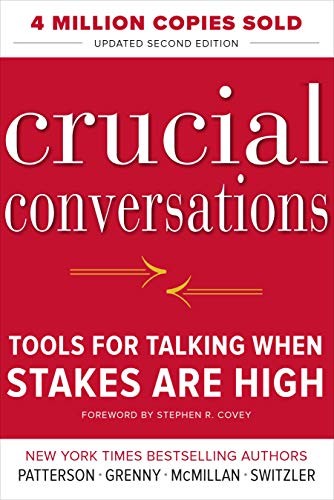
by Kerry Patterson, Joseph Grenny, Ron McMillan, Al Switzler
Published in 2002 (23 years ago)
244 pages
Key Takeaways:
• When stakes are high, opinions vary, and emotions run strong—that's a crucial conversation
• Start with heart: clarify what you really want from the conversation
• Make it safe: establish mutual purpose and mutual respect
• Master your stories: separate facts from the stories you tell yourself
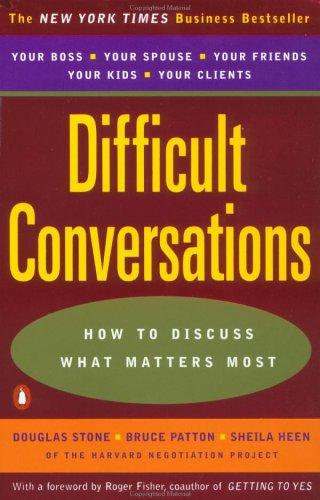
by Douglas Stone, Bruce Patton, Sheila Heen
Published in 1999 (26 years ago)
250 pages
Key Takeaways:
• Every difficult conversation is really three conversations: what happened, feelings, and identity
• Move from certainty to curiosity; ask questions instead of making statements
• Don't assume intentions; you can't know what others were thinking
• Express your feelings; they're part of the problem and part of the solution
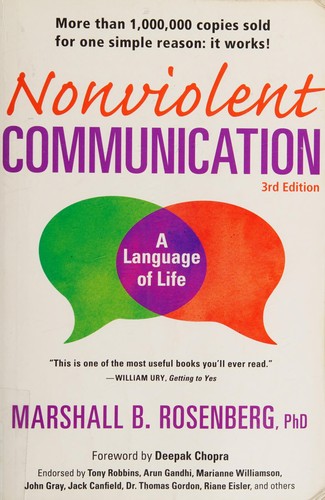
by Marshall B. Rosenberg
Published in 1999 (26 years ago)
220 pages
Key Takeaways:
• Four components: Observations, Feelings, Needs, Requests
• Separate observations from evaluations and judgments
• Express needs rather than strategies for meeting needs
• Make requests, not demands; be clear about what you want
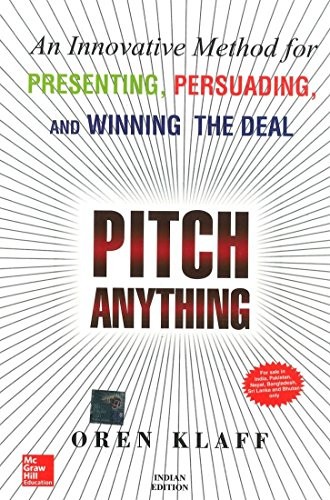
Key Takeaways:
• Frame control is everything; whoever controls the frame controls the conversation
• Hot cognitions (emotion) trump cold cognitions (logic) every time
• Create desire and tension; make them chase you
• The crocodile brain responds to novelty, danger, and social status
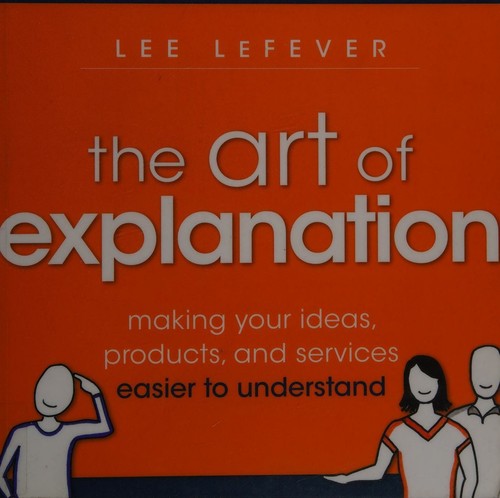
Key Takeaways:
• Start with why it matters, not what it is
• Lower the floor: make ideas accessible before making them sophisticated
• Use analogies and stories to make abstract concepts concrete
• Transform understanding into confidence and agreement
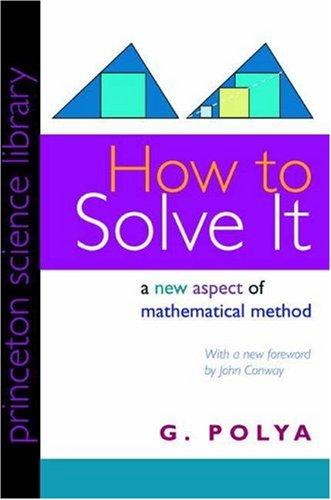
Key Takeaways:
• Four steps: understand the problem, devise a plan, carry out the plan, look back
• If you can't solve a problem, there's an easier related problem you can solve—find it
• Have you seen this problem before, or one like it, in a different form?
• Looking back at your solution teaches you more than finding it did
Key Takeaways:
• Self 1 (the teller) and Self 2 (the doer): the inner dialogue affects performance
• Quiet the judging mind to let natural abilities emerge
• Focus on what is, not what should be—observe without judgment
• Trust your body; it knows more than your conscious mind
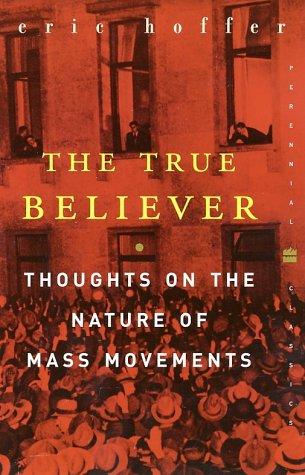
Key Takeaways:
• All mass movements are interchangeable; one easily transmutes into another
• The frustrated, not the poor, are the most fertile recruits for mass movements
• Mass movements offer an escape from the self through immersion in a holy cause
• A common hatred unites the most heterogeneous elements; the ideal devil is essential